Indian Vedic Astrology or Jyotish
Indian Vedic Astrology: Unlocking the Secrets of the Stars
What is Indian Vedic Astrology?
Indian Vedic Astrology or Jyotish Shastra is rooted in the ancient Vedas. For over 5,000 years, it has guided seekers through insights into their karma, destiny and life path via planetary alignments in the sidereal zodiac.
Principle of Indian Vedic Astrology or Horoscope Astrology
Indian Vedic Astrology also known as Jyotish Shastra, is an ancient system of astrology that originated in the Indian subcontinent. It is based on the belief that the position and movement of celestial bodies— planets, stars, and other astronomical phenomena—at the time of a person's birth have a profound influence on their life, behavior, and destiny.

1. The Zodiac and Rashi System
The Vedic zodiac is divided into 12 parts called Rashis or zodiac signs. These are Mesh (Aries), Vrishabh (Taurus), Mithun (Gemini), Kark (Cancer), Singh (Leo), Kanya (Virgo), Tula (Libra), Vrischik (Scorpio), Dhanu (Sagittarius), Makar (Capricorn), Kumbh (Aquarius) , and Meen (Pisces).
2. The Nine Planets (Navagrahas)
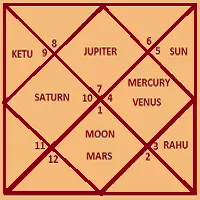
Vedic astrology considers nine celestial bodies or Navagrahas: Sun (Surya), Moon (Chandra), Mars (Mangal), Mercury (Budh), Jupiter (Guru), Venus (Shukra), Saturn (Shani), Rahu, and Ketu These planets influence various aspects of human life.
3. The Twelve Houses (Bhavas)
The horoscope or Kundli is divided into 12 houses (first house, second house, third house, fourth house, fifth house, sixth house, seventh house, eighth house, ninth house, tenth house, eleventh house, twelfth house) each representing specific areas of life such as personality, wealth, communication, home, creativity, service, marriage, transformation, philosophy, profession, gains, and losses. The placement of planets in these houses determines the effects on an individual's life.
4. Nakshatras (Lunar Mansions)
There are 27 Nakshatras or constellations in Vedic Astrology (Ashwini Nakshatra, Bharani Nakshatra, Krittika Nakshatra, Rohini Nakshatra, Mrigshira Nakshatra, Ardra Nakshatra, Punarvasu Nakshatra, Pushya Nakshatra, Ashlesha Nakshatra, Magha Nakshatra, PurvaPhalguni Nakshatra, UttaraPhalguni Nakshatra, Hast Nakshatra, Chitra Nakshatra, Swati Nakshatra, Vishakha Nakshatra, Anuradha Nakshatra, Jyestha Nakshatra, Moola/Mula Nakshatra, Poorvashada Nakshatra, Uttarashada Nakshatra, Shravana Nakshatra. Dhanishta Nakshatra, Shatabhisha Nakshatra, Purva Bhadrapada Nakshatra, Uttara Bhadrapada Nakshatra, Revati Nakshatra, Each Nakshatra spans 13 degrees and 20 minutes of the zodiac and further refines the prediction system. The Moon’s position in a Nakshatra at the time of birth is especially significant in Vedic astrology.
5. The Dasha System (Planetary Periods)
One of the unique aspects of Vedic Astrology is the Dasha system, especially the Vimshottari Dasha (mahadasha-antardasha) like Surya mahadasha-antardasha, Chandra mahadasha-antardasha, Mangal mahadasha-antardasha, Budh mahadasha-antardasha, Guru mahadasha-antardasha, Shukra mahadasha-antardasha, Shani mahadasha-antardasha, Rahu mahadasha-antardasha, Ketu mahadasha-antardasha. It divides the life of a person into periods ruled by different planets, indicating the likely effects during each phase of life.
6. Ascendant or Lagna
The Ascendant or Lagna is the sign rising on the eastern horizon at the time of birth. It is a crucial part of the birth chart and determines the structure of the horoscope and the relative position of planets and houses.
7. Aspects (Drishti) and Conjunctions
Visions of Planets (Drishti) aspect or influence other houses and planets in a chart. These aspects (Drishti) and planetary conjunctions help in interpreting the interactions and overall effects of planets in a birth chart.
In summary, Vedic astrology is a deep and structured discipline based on precise astronomical calculations and a spiritual understanding of the cosmos. It serves as a guide for self-awareness, decision-making, and predicting important life events.
Applications of Vedic Astrology
- Kundli Reading : Understand personal strengths and soul purpose.
- Kundli Milan or Horoscope Match Making : Compatibility matching for harmonious marriages.
- Career & Business Alignment: Choose success paths aligned with your karmic blueprint.
- Health Forecasting: Identify potential wellness challenges.
- Remedial Practices: Enhance planetary harmony with gems, mantras, yantras.
- Auspicious Muhurat: Select timing for rituals, marriages, ventures.
Why Vedic Astrology Still Matters Today
It guides modern seekers to:
- Understand soul lessons and unresolved karma.
- Receive personalized remedies and clarity.
- Find spiritual balance and direction in life.
Vedic vs Western Astrology
| Feature | Vedic Astrology | Western Astrology |
|---|---|---|
| Zodiac System | Sidereal (constellation‑based) | Tropical (season‑based) |
| Focus | Karma & timing | Psychological traits |
| Chart Analysis | Dashas & divisional charts | Solar‑based charts |
| Predictions | Time‑specific via dashas & transits | General via transits |
Book Your Online Consultation with Dr. A. S. Kalra
Trusted & confidential Vedic astrology sessions for marriage, career, health & personal guidance.
- ✅ Over 25 years’ experience in classical Vedic astrology
- Schedule Your Session Now
Conclusion
Indian Vedic Astrology is not merely predictive—it’s transformational. By understanding your Janam Kundli through timeless Jyotish Shastra, you can navigate your karmic journey with clarity, purpose, and alignment.
By: -

|

Address: -
|
Mobile/WhatsApp: -+91-8006959091 |
Email ID: -astro.kalra@gmail.com |
Web: -https://astrologer-astrology.com |